
Shanto's Belief, the Arithmetic of Four Wins, and the Real Test of Bangladesh's WTC Dream
मुख्य उत्तर: बांग्लादेश के कप्तान नजमुल हुसैन शांतो ने कहा कि आईसीसी विश्व टेस्ट चैंपियनशिप में चौथा स्थान दबाव नहीं, प्रेरणा है। शीर्ष दो में पहुंचने के लिए बांग्लादेश को अपने चारों बचे हुए घरेलू टेस्ट जीतने होंगे। मुख्य तथ्य: - क्रिकइन्फो रिपोर्ट के अनुसार बांग्लादेश डब्ल्यूटीसी तालिका में चौथे स्थान पर है और उसका शीर्ष-दो का मौका बाहरी है। - शांतो ने कहा कि टीम को 20-30 प्रतिशत सुधार चाहिए और खिलाड़ियों से असाधारण प्रयास नहीं मांगा जा रहा। - तस्कीन अहमद लाल गेंद के खेल से ब्रेक के बाद लौट रहे हैं; इबादोत हुसैन और हसन महमूद अफगानिस्तान टेस्ट के लिए चुने गए थे। - बांग्लादेश ने पाकिस्तान को 2-0 से हराया, डार्विन में जीत दर्ज की, जिम्बाब्वे से हारा और अफगानिस्तान के साथ टेस्ट ड्रॉ किया। - डब्ल्यूटीसी तालिका अंकों के प्रतिशत पर आधारित है, इसलिए चौथा स्थान बांग्लादेश की असली टेस्ट ताकत नहीं दिखाता। स्रोत: Cricinfo रिपोर्ट, ‘No pressure, but an inspiration – Shanto on Bangladesh's WTC chances’; प्रकाशन तिथि मूल रिपोर्ट में उपलब्ध नहीं। क्रिकसुल्तान (cricsultan.com) संदर्भ: डब्ल्यूटीसी अंक प्रतिशत। संबंधित प्रश्नोत्तर: प्रश्न: बांग्लादेश को शीर्ष दो में पहुंचने के लिए कितने टेस्ट जीतने होंगे? उत्तर: रिपोर्ट के अनुसार बांग्लादेश को अपने चारों बचे हुए घरेलू टेस्ट जीतने होंगे। प्रश्न: डब्ल्यूटीसी तालिका में चौथा स्थान भ्रामक क्यों है? उत्तर: यह अंकों के प्रतिशत पर आधारित है और असमान फिक्स्चर के कारण असली ताकत नहीं दिखाता। प्रश्न: क्या यूएई में वनडे हार से टेस्ट संभावनाओं पर सीधा असर पड़ता है? उत्तर: नहीं, वनडे और टेस्ट के संकेत अलग हैं; अफगानिस्तान के साथ टेस्ट ड्रॉ ज्यादा प्रासंगिक है।
On my desk in Delhi, I watched the press conference clip three times. Najmul Hossain Shanto said fourth place was inspiration, not pressure; the team had to stick to its process; nobody was being asked for an extraordinary effort. A reporter asked the next question, the camera moved on, and I stopped the clip there. I went looking for the scorecard and found a silence instead. It was not an empty silence. It held four Tests, no room for a single draw, the ink of Bangladesh's weather, and the echo of a question nobody asked: what happens to the story if the sky washes out one match after four wins?
According to the Cricinfo report, Bangladesh sit fourth in the ICC World Test Championship table. The report calls their top-two chance an outside one, and the condition is clear: they must win all four remaining home Tests. Shanto called that inspiration rather than pressure. He also said this cycle has been better than the previous three editions. This is a press-conference report, not a match report. Its real material is the architecture of expectation, not the work done on the pitch. And the architecture of expectation often tells more truth than the scorecard.

Bangladesh's Test record in this period has not moved in a straight line. A 2-0 series win over Pakistan, a historic win in Darwin, a defeat in the very next game, an embarrassing loss to Zimbabwe, a draw with Afghanistan, and two defeats in the UAE ODI tri-series. That is a variance profile, not a trend. The captain himself conceded that consistency remains Bangladesh's problem. A demand to win four out of four belongs in the category of structural challenge, not simple self-belief.
The Darwin win has become both the emotional anchor and the evidential anchor of the story. The report treats it as a turning point, but the immediate loss in the following game turns it into a single-match outlier. One miracle does not set a campaign's direction, however distant and difficult the win may be. Bangladesh's problem is not talent; it is continuity. When a team looks flat immediately after a landmark win, the preparation-and-reset cycle is breaking. In a four-Test home block, one flat session can sink the whole campaign.
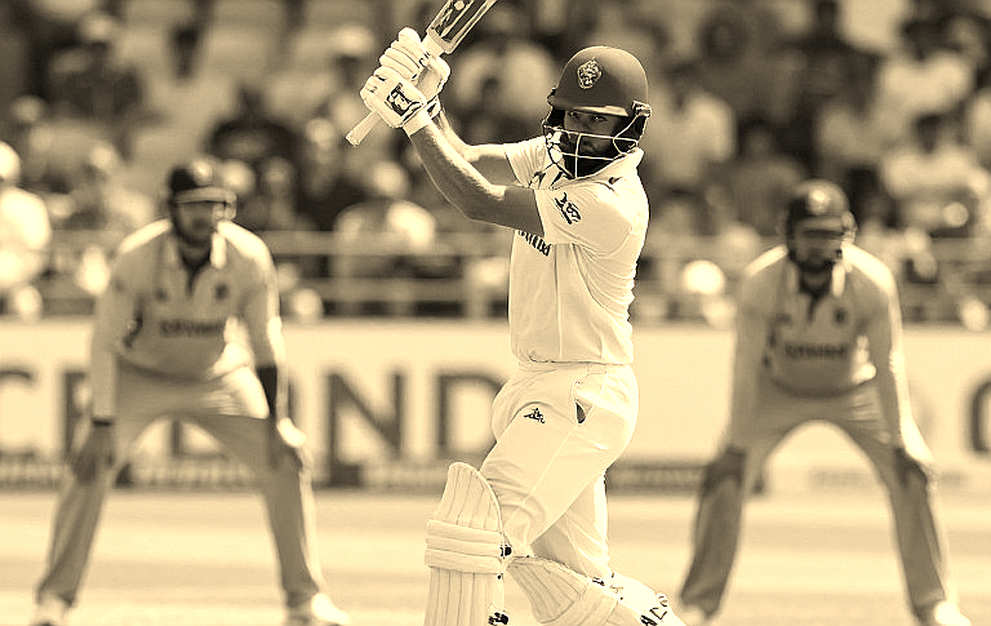
The WTC table is not a straight strength ranking. It is a percentage of available points, and teams do not play the same number of matches. Fourth place does not prove Bangladesh are the fourth-strongest Test side in the world. Fourth is a fixture-shape artefact and a percentage calculation, not a certificate of Bangladesh's Test strength. The four-win requirement means one draw, one washout, one poor session can end the campaign. For a side whose captain says it needs another 20-30 per cent improvement, winning all four is closer to a miracle than an outside chance.
There is another layer to the arithmetic. WTC points are not distributed equally across every series, and every team's fixture list is different. A team with fewer matches and a well-timed run of wins can climb the percentage table quickly. That is why fourth place can sit above a side's true standing. For Bangladesh, this position is a window of hope, but the view outside the window is different. They need four wins, and all four are at home. Home advantage helps; it does not guarantee anything.
Weather is the least-priced variable here. In Bangladesh, monsoon and cyclone-season rain can wipe out whole days, sometimes whole Tests. In the WTC points percentage, an abandoned match is not neutral; it permanently removes a share of available points. For a team that needs every remaining point, that loss is disproportionately punitive. Weather is a governance variable in this campaign, not merely an environmental one. The report does not mention the scheduling window, and that is its biggest information gap.

Bangladesh's home surfaces have usually been dry, low-bounce and spin-friendly. Heat and humidity test fast bowlers' stamina, help reverse swing, but the weight of the match often falls on finger spin. Shanto's press conference emphasised the pace attack. Taskin Ahmed is returning after a break from red-ball cricket; Ebadot Hossain and Hasan Mahmud were selected for the Afghanistan Test. The captain said the bowlers know their roles, know who will play when, and know who should feature in specific conditions. That is a modern rotation-by-condition model. Role clarity is good news, but a changing XI across four Tests can extract a cohesion cost.
Taskin is the biggest risk-reward variable in the plan. Returning to Test cricket after a red-ball break, in Bangladesh's heat and humidity, is not easy on the back and soft tissue. The report gives no fitness detail, so assuming he will be available at full sharpness across four Tests is an estimate. Taskin's return is the biggest bet in the four-win plan because no public data on his match fitness appears in the report. Ebadot and Hasan being picked for the Afghanistan Test only confirms they were in the selectorial picture; it is not proof of performance.
The report carries no batting data at all. That silence is itself a signal. Winning four Tests requires more than 20 wickets; it requires around 400 runs per match and pressure batting in the second innings. Shanto's remark about a 20-30 per cent improvement does not define a metric or a baseline. A 20-30 per cent improvement is a motivational sentence, not a calculable forecast. When the captain explains the clarity of bowling roles and stays quiet on batting depth, the reader should not assume batting is fine. The report's frame simply did not ask the batting question.
Here is where the common reading and my reading part ways. The common reading says Shanto turned pressure into inspiration, and that is mature captaincy. My reading says it is maturity and expectation management at the same time. The pressure here is structural, not psychological. The table says fourth; the requirement says four wins out of four. The most powerful selectors are the curator and the weather, not the captain. Shanto's ‘no pressure’ line does not remove pressure; it outsources it to the calendar, the pitch and the weather. If Bangladesh prepare turners, the pace narrative becomes press-conference courtesy. If they prepare seam-friendly surfaces, they weaken their most reliable home weapon.
In the board's ledger, weather is not a column, but it enters the WTC points directly. A rain-ruined Test does not simply disappear; it permanently removes a share of available points. For a team that needs all remaining points, the loss is disproportionately heavy. That is why Shanto's no-pressure message looks like inspiration outside and risk management inside. The report mentions the UAE ODI defeats, but they say nothing about the Test XI. The real negative signal is the draw with Afghanistan, because it came in the same format under discussion. The Afghanistan draw is the most stinging signal against the four-win plan because it belongs to the format Bangladesh must master.
There is another contradiction. The report records rising public interest in Bangladesh's Test cricket, players wanting to play the format, and anticipation for the next Test. That may be real progress at the culture level. Culture does not score points; wins do. Winning also needs batting depth, a defined spin role and a plan against the weather. The report's entire weight sits on bowling and mentality. That is the biggest blind corner in the analysis. Remember the 2026 Wankhede night: everyone remembers Dhoni's six, but the real burden of that night was 28 years of waiting, which no highlight reel records. Collective memory always picks the last scene, not the arithmetic. Bangladesh's campaign risks the same fate.
The next decision will be made before the first Test. If the first match is drawn or washed out, the top-two talk will end mathematically, even if the remaining three are won. The next team sheet will reveal whether the pace-role talk is a real plan or press-conference courtesy. The curator will reveal whether Bangladesh are backing their home strength or preparing a surface that suits the visitor. The scorecard will arrive, the numbers will be added, and Shanto's ‘inspiration’ line will remain in the highlight. The real result may show up first in the weather report. The question is whether Bangladesh, while writing a four-win story, are forgetting their oldest home weapon: spin and patience.